Showing posts with label tea. Show all posts

Monday, April 01, 2024

Unlocking the Tranquil Essence: Exploring the Benefits of Lemon Balm Tea

Lemon balm (Melissa officinalis), an esteemed member of the mint family, harbors a rich history dating back to the Middle Ages, where its soothing properties were revered for their ability to assuage stress, induce restful sleep, enhance appetite, and alleviate gastrointestinal distress. Revered for its multifaceted benefits, lemon balm tea emerges as a delightful elixir, boasting a refreshing lemony zest while harboring a plethora of health-promoting virtues.

Scientific inquiry into lemon balm tea has unearthed promising findings. A pivotal study spanning 6 weeks revealed that regular consumption of lemon balm tea could mitigate arterial stiffness—a critical risk factor underpinning cardiovascular ailments, strokes, and cognitive decline. Moreover, research underscores lemon balm's capacity to bolster the body's natural defense mechanism against oxidative stress by augmenting antioxidant enzyme activity, thereby safeguarding against cellular damage.

Intriguingly, a comprehensive review underscores lemon balm's potential in assuaging symptoms of depression and anxiety, heralding it as a safe adjunct to conventional therapies with minimal side effects. Such revelations not only underscore lemon balm's therapeutic potential but also illuminate pathways towards holistic well-being.

Practically, lemon balm stands out as one of the most effortlessly cultivated herbs, thriving in cooler climes. Its pliable leaves, ripe for harvesting, can be utilized fresh or dried. Properly dried leaves can be preserved for up to a year, ensconced within glass jars shielded from direct sunlight.

For those eager to harness the restorative essence of lemon balm, crafting the perfect brew is a straightforward endeavor. Infusing 1.5 to 4.5 grams of leaves in 150 milliliters of hot water yields a fragrant potion, ready to be imbibed multiple times throughout the day, offering respite amidst life's tumultuous currents.

In essence, lemon balm tea transcends mere refreshment, emerging as a conduit to serenity, resilience, and vitality—a testament to nature's bountiful offerings and humanity's enduring quest for harmony.
Unlocking the Tranquil Essence: Exploring the Benefits of Lemon Balm Tea

Friday, January 12, 2024

Bilberry Leaf Tea Benefits

Bilberry, scientifically labeled as Vaccinium myrtillus L., is a deciduous shrub featuring elliptical leaves and attaining a height of 50 cm. Its singular flowers emerge on short stems, and the berries are characterized by their dark purple hue, round shape, juicy texture, and tangy taste.

The chemical components within bilberry leaves are well-known for their capacity to counteract oxidative damage induced by free radicals within cells. These leaves contain tannins, flavonoids, and a small quantity of arbutin.

Bilberry leaves are commonly infused to produce herbal tea, emphasizing their robust antioxidant attributes linked to phenolic compounds.

Historically, bilberry leaf tea has been utilized as a remedy for diabetes, especially when consumed consistently over a prolonged period. The tannins in the leaves may play a role in alleviating diarrhea and mitigating inflammation, providing relief for issues like mouth and throat irritation. Additionally, the flavonoids in bilberry leaves possess the potential to enhance blood circulation, offering specific benefits for individuals with diabetes, given that circulatory challenges can detrimentally affect the retina's health in the eye.
Bilberry Leaf Tea Benefits

Wednesday, August 09, 2023

Gotu kola tea

Gotu kola, a perennial plant indigenous to India, Japan, China, Indonesia, South Africa, Sri Lanka, and the South Pacific, belongs to the parsley family and lacks a distinctive taste or aroma.

The dried leaves are commonly utilized for crafting gotu kola tea, inclusion in blends of herbal teas, and for making tinctures.

Over thousands of years, it has been utilized in India, China, and Indonesia to address a variety of ailments. Its historical applications encompass wound healing, cognitive enhancement, and the treatment of skin conditions like leprosy and psoriasis.

To produce gotu kola tea, dried leaves are steeped in boiling water (approximately 150 ml) along with 5–10 grams, left to infuse for ten to fifteen minutes. The typical suggestion is the consumption of three cups (750 ml) per day.

Gotu kola houses specific compounds that seemingly contribute to the reduction of inflammation and blood pressure. Furthermore, it displays the potential to bolster the generation of collagen, a facet that could promote the healing of wounds. Additionally, it might prove effective in addressing gastrointestinal problems such as enteritis, dysentery, or abdominal discomfort, attributed to its capacity to lower blood temperature and arrest bleeding.
Gotu kola tea

Monday, June 26, 2023

Magnolia bark tea and health benefits

This tree belongs to the Magnoliaceae family and can grow to a mature height from 16 ft up to 80 ft. During the 7th century, monks in the Chinese Buddhist temples grew these trees in their gardens for use in treating conditions like depression, asthma, muscle pain, and headache.

Benefits can be found with drinking Magnolia teas, known as Saiboku-to, although the tea should be consumed with meals due to the fat-solubility of the active ingredients.

Magnolia bark extract is a major constituent of currently marketed dietary supplements and cosmetic products. Much pharmacological activity has been reported for this herb and its major compounds, notably antioxidant, anti-inflammatory, antibiotic and antispasmodic effects.
The bark is particularly rich in two neolignans that are believed to be responsible for its medicinal properties — magnolol and honokiol. These compounds have been studied extensively in recent years for their anti-inflammatory, anticancer, antimicrobial, and antioxidant benefits.

Neolignans are a type of polyphenol micronutrient in plants. Polyphenols are highly valued for their antioxidant levels and believed to offer many health benefits.

Research has shown that magnolia bark may be helpful in reducing stress and anxiety, both of which can interfere with sleep. A study that measured cortisol, considered a stress hormone, showed that magnolia bark extract combined with phellodendron reduced cortisol levels in the body.
Magnolia bark tea and health benefits

Friday, April 07, 2023

Jasmine tea

Jasmine is one of the most beloved of flowers for scenting and decorating teas. As a member of Oleaceae (the olive plant family), it has a sweet and aromatic essence that imparts a delicious and exotic element to a tea base.

Jasmine tea is green tea scented with jasmine flowers, though the base tea can also use black, white or oolong tea leaves. Its aroma is so strong that the tea leaves absorb its flavor overnight.

Jasmine (Jasminum officinale) is a seasonal bloomer, beginning in late winter and flowering until early autumn. Jasmine prefers full sun or partial shade, with well-drained and moist soil. It is a fairly tolerant and hardy plant. Jasmine is well known for its calming and soothing effects.

High-quality jasmine tea is usually scented using fresh jasmine flowers, while affordable options are flavored with jasmine oils or jasmine extract. The end result produces a clean and fragrant smell, with a sweet flavor.

Aroma is an important component in jasmine and jasmine tea. High-quality jasmine tea

has a refreshing jasmine aroma, and the aroma is pure, concentrated, and long-lasting

The main volatile compounds in jasmine were α-farnesene, (Z)-3-hexenyl benzoate, linalool, benzyl alcohol, benzyl acetate, methyl anthranilate, and indole.
Jasmine tea

Sunday, March 05, 2023

Cranberry tea

Native to North America, cranberry is a part of the Ericaceae family. The fruit is known for its rich color, taste and health benefits. Cranberry tea is a rich source of vitamin C, E, and K, which are essential for the body. It is said to eliminate toxins, burn fat, and increase metabolism, leading to weight loss.

Evidence suggests that these nutrients may boost immune health, ease PMS (Premenstrual syndrome) symptoms, and promote bone density in women.

The polyphenols and antioxidants in cranberry juice serve an important function: it detox effects offer benefits for the liver, lymph nodes, kidneys, and urinary tract. This tea is also highly effective against oral diseases like gingivitis and may be helpful in the treatment of breast and stomach cancers.

Cranberry juice is enriched with enormous quantities of Melatonin. This Melatonin helps people sleep better as it is popularly known as the ‘sleep hormone.’

Drinking fresh cranberry juice can aid in weight loss. This can be done by drinking a glass of cranberry juice without sugar in the morning on an empty stomach.
Cranberry tea

Tuesday, September 27, 2022

Strawberry tea

Strawberry tea can be made using water, green tea leaves, fresh strawberries, and honey. It has a very strong strawberry flavor. Apart from satisfying the palates, drinking strawberry tea can also fix numerous health issues.

Strawberries are packed with the goodness of antioxidants, vitamins and minerals. They are a particularly good source of minerals like manganese and potassium, as well as vitamin C. Being a great source of fiber, strawberries can help in boosting metabolism and can heal chronic inflammation.

Strawberry tea is said to possess anti-aging properties. Drinking this regularly would slow down the aging process and limit the occurrence of aging signs and lines on the face.

The presence of ellagic acid in s trawberries is a derivative of gallic acid, which helps in fighting inflammation and restores normal functioning of weight reducing hormones that are often blocked due to chronic inflammation.

Strawberry tea can enhance brain function, relief from high blood pressure, arthritis, gout, and various cardiovascular diseases. Beneficial for improving the immune system, preventing various types of cancers, and for reducing the signs of premature aging.
Strawberry tea

Tuesday, March 08, 2022

Herbal drinks of chicory

Chicory root tea is made from chicory root, a distant cousin to the dandelion. It has a similar flavor profile as coffee with some additional hints of woodiness. Chicory root comes from a plant with bright blue flowers that belongs to the dandelion family.

The plant has small blue flowers, and can be found in woody areas. Growing up to 5’ in height with strong taproots, this weed thrives in light.

Chicory has a mildly taste and the root is much the same medicinally as the root of the dandelion, having a cleansing action in the liver, stomach and kidneys and the whole urinary tract.

As a treatment for gout, rheumatic conditions and general aches and pains of the joints, chicory was once considered to be a herb particularly appropriate for the elderly and was also used as a gentle laxative for children.

Chicory root extracts, according to science, has many health benefits as it is prebiotic in nature and protects the digestive system. It has anti-fungal, antioxidant and anti-cancer properties.

The fiber from this root is purported to have numerous health benefits and often extracted for use as a food additive or supplement.

One-half cup of 1-inch pieces of raw chicory root (45g) provides 32 calories, 0.6g of protein, 7.9g of carbohydrates, and 0.1g of fat. Chicory root is a good source of calcium, phosphorus, and folate. The leaves of this plant are similar to dandelion, therefore can be used in salads. The leaves are high in thiamin, niacin, and zinc. It’s also an excellent source of Vitamin A, C, E and K.

A tea of leaves and flowers – ¼ cup mixed leaves and flowers with 1 cup boiling water poured over it and left to stand for 5 minutes, sweetened with a touch of honey if desired – is the way to treat any of these ailments and usually no more than 1 cup a day needed.

The tea is slightly laxative and safe for children, made as a standard brew and ½ a cup given at a time to children under 10 years of age.

Mothers in medieval France and England grew chicory in their cottage gardens, which they used for purging and for flushing out of bladder and today’s research verifies these uses.

Chicory contains inulin which can help with digestion, inflammation, and lowering blood sugar. It literally washes out bladder and colon, clears infections, acts as a strong tonic and increases the flow of bile. Inulin is a type of fiber known as a fructan or fructooligosaccharide, a carbohydrate made from a short chain of fructose molecules that your body doesn’t digest.

Around AD 23-79, chicory juice mixed with strong vinegar and a little rose oil was used to treat headaches.
Herbal drinks of chicory

Friday, December 17, 2021

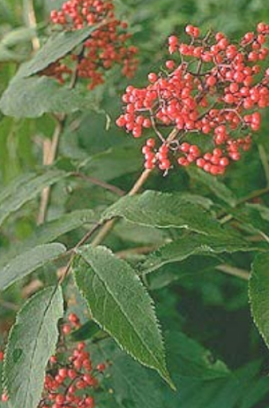
Red elderberry tea

Red elderberry is a large deciduous shrub or small tree of the Honeysuckle family that grows 10-20 ft tall with a broad arching form.

The flowers are white to creamy, small and numerous in a rounded or pyramidal parasol-like cluster, and are highly scented.

Elderberry has been used for generations in traditional herbal medicine as a remedy for colds, sinusitis, and herpes. The berries also have a laxative effect in small doses.

Elderberries have long been used as a diuretic and to help with other digestive issues. They are still used in folk medicine practices around the world.

The tea of red elderberry is a warm and soothing drink that helps ward off colds and flu. The tea can also be used to treat allergies, hay fever, and sinus congestion. Elderberries contain antioxidants that shore up the immune system.
Red elderberry tea

Friday, November 26, 2021

Bearberry tea

Bearberry leaf is the common name for the leaves of the plant Arctostaphylos uva-ursi (L.) Spreng. The plant is a ubiquitous procumbent evergreen shrub located throughout North America, Asia, and Europe. The fruits are almost tasteless despite containing a high concentration of active ingredients in many commercial products.

Bearberry leaves use is for the first time literally documented in the Middle Ages in the Welsh “Physicians of Nyddfai” from the 13th century. It seems that bearberry leaf was used in Northern areas as a folk remedy long before it came to the Central Europe.

Bearberry is mentioned for example in “Historia Rariorum Plantarum” by Carolus Clusius, Antwerp (1601) and also by Linné in his “Materia Medica” from 1749.

The main constituents of bearberry leaf are the glycosides arbutin (5%–15%), methylarbutin (up to 4%), and small quantities of the free aglycones. Other constituents include ursolic acid, tannic acid, gallic acid, p-coumaric acid, syringic acid, galloylarbutin, gallo-tannins, and flavonoids, notably glycosides of quercetin, kaempferol, and myricetin.

Herbal medicines containing these bearberry leaf preparations are usually available as herbal tea to be drunk and in liquid or solid forms to be taken by mouth.

These bearberry leaf preparations can be used for relief of symptoms of mild, recurrent infections in the lower urinary tract (the structure that carries urine), such as a burning sensation when passing urine and/or frequently passing urine. It has also been recommended for inducing diuresis and to treat constipation. In addition, the leaves of Arctostaphylos have been dried and smoked as tobacco, while leaves and berries have also been used as food.
Bearberry tea

Friday, July 09, 2021

Teas from bilberry leaves

Bilberries (Vaccinium myrtillus L.) are the native European blueberries, closely related to the North American blueberry species (Vaccinium corymbosum L.), both part of the widespread genus Vaccinium containing over 200 species.

Bilberry is a deciduous shrub growing to 50 cm, with elliptical leaves. The flowers are single on short stems. The fruits are berries, globular, dark purple, juicy and sour.

Bilberry fruits contain up to 10% tannins, anthocyanins, organic acids, and pectins. The leaves contain tannins, flavonoids, and a small amount of arbutin.

The main bioactive compounds of bilberry leaves are hydroxycinnamic acids. It was reported that the concentration of hydroxycinnamic acids were higher in the leaves than in the bilberry fruit. Hydroxycinnamic acids (hydroxycinnamates) are a class of aromatic acids or phenylpropanoids having a C6–C3 skeleton. Several studies have reported that HCs and their derivatives act as powerful antioxidants and protect biologically important molecules from oxidation.

The second significant group of phenolics is flavonoids. Quercetin-3-O-glucuronide is the most abundant flavonol and its concentration ranges from 70% to 93% of total flavonols; other flavonols in bilberry leaves are quercetin-3-O-β-galactoside (4.06%), quercetin-3-O-(4”-HMG)-α-rhamnoside (3.48%), quercetin-3-O-arabinoside (2.92%), quercetin-3-O-glucoside (0.99%), quercitrin (0.73%), and quercetin (0.03%), as well as three kaempferol glycosides (almost 1.5%).

In traditional medicine, fruits of Vaccinium myrtillus are much used as anti-diarreal while leaves are used as astringent, anti-bacterial, anti-inflammatory, and diuretic. Vaccinium myrtillus leaf infusions are traditionally used as a folk medicine treatment of diabetes. A tea made of the leaves is also a remedy for diabetes if taken for a prolonged period.

The researchers have shown that bilberry leaf tea has an antidiabetic activity, anti-hyperlipidemic activity, anti-staphylococcal activity, antioxidant, anti-neoplastic activity.
Teas from bilberry leaves

Thursday, June 17, 2021

Papaya fruit tea

Carica papaya belongs to the family Caricaceae and is grown in most tropical countries of the world as a food crop.

The fruit contains vitamins A, C, and E, B complex vitamins, such as pantothenic acid and folate, and minerals, such as magnesium and potassium, as well as food fibers.

The papaya fruit, as well as all other parts of the plant, contain a milky juice known as papain which has been used to make meat tender. The unripe fruit is used as a remedy for ulcer and impotence.

In Africa the plant is used by traditional medicine practitioners in the management of diabetes and malaria, and in fungal and helminthic infections

Preparation: cut young papaya fruit into small cube. Put in boiling and then simmer for 8 minutes. Add tea leaves and steep for 3 minutes. The drink is ready.

The tea promotes digestion and aids in the treatment of ailments such as chronic indigestion, overweight and obesity, arteriosclerosis, high blood pressure, and weakening of the heart.
Papaya fruit tea

Monday, April 05, 2021

Guava leaves tea

Psidium guajava L., popularly known as guava, is a small tree belonging to the myrtle family of Myrtaceae. Native to tropical areas from southern Mexico to northern South America, guava trees have been grown by many other countries having tropical and subtropical climates, thus allowing production around the world.

Guava leaves is used to make the tea. It is a common tropical fruit cultivated in many tropical and subtropical regions.

Guava leaves possess potential health benefits including in preventing cancer, regulating blood pressure, treating diarrhoea, solving bowel problems to mention a few. It also helps in losing weight, improves tonicity of skins, treats cough and cold, constipation, dysentery, and scurvy.

Phenolic compounds in guava leaves have been credited with regulating blood-glucose levels.

Guava leaves are rich in vitamin C, lycopene and antioxidants that are beneficial to the skin and many parts of body.

Potassium in guava leaves or guava fruit help normalizing the blood pressure levels since it contains 80% of water. Many scientists believe that the high levels of antioxidants and vitamins in guava leaves may help protect heart from damage by free radicals.
Guava leaves tea

Monday, March 08, 2021

Barley tea

Barley tea is non-caffeinated, non-tannin drink and it is valued for its high percentage of β-glucans (polysaccharides) and the presence of antioxidant compounds.

Five phenolic compounds, p-hydroxyacetophenone, 5,7-dihydroxychromone, naringenin, quercetin, and isoamericanol A, were found first time in the barley tea, together with the known compounds, p-hydroxybenzaldehyde, 3,4 dihydroxybenzaldehyde, p-hydroxybenzoic acid, vanillic acid, and p-coumaric acid.

Barley tea can be served both either hot and cold. This drinks have a taste of a mild flavor profile consisting of a toasty flavor with slightly bitter undertones. The tea is sometimes used to help treat diarrhea, fatigue, and inflammation.

Antioxidants in barley can protect human body against cancer, heart attacks, and other diseases.

The present method of making barley tea involves roasting barley seeds at 280 °C and then processing with hot water to yield barley tea.
Barley tea

Wednesday, September 02, 2020

Blueberry leaf tea

Blueberries (Vaccinium spp.), generally regarded as an excellent source of dietary antioxidant, are one kind of popular and healthy fruits worldwide.

The main bioactive compounds in blueberry leaves are similar as in other berry fruits, i.e., phenolic acids and esters, flavonols, anthocyanins, and procyanidins, which could also serve as an effective antioxidant resource or functional food ingredient. They have a number of different health benefits, including lowering fat levels and potentially protecting against hepatitis C. The leaves are also one of the richest sources of chlorogenic acid.

In 2008, researchers conducted a study published in the Journal of Medicinal Food that focused on quantifying phenolic compounds and their antioxidant properties in blueberry leaf infusions, which have been shown to contain antidiabetes properties. Researchers found that the wild blueberry infusion exhibited the highest antioxidant capacity and free radical–scavenging ability.

Blueberry leaf tea were actually the simple water infusions of the leaves without any conventional tea processing steps. The tea sometimes flavored with dried blueberries to give it fruitier flavor.
Blueberry leaf tea

Sunday, August 16, 2020

Peppermint tea health benefits

Peppermint (Mentha piperita L.) is one of the most widely consumed single ingredient herbal teas. Peppermint tea, brewed from the plant leaves, and this plant is widely used in folk remedies and traditional medicine for treatment of digestive disorders and nervous system actions.

Peppermint tea is a popular single ingredient herbal tea, known for its refreshing taste and aroma. It is an old medicinal plant species in the Eastern and Western traditions and the list of peppermint uses as a folk remedy or an alternative medical therapy includes irritable bowel syndrome, flatulence, indigestion, nausea, vomiting, cough and bronchitis.

Other peppermint tea health benefits including: relieves stress and anxiety, sleep-friendly, improves digestion, boosts immune system.

It is well documented that the essential oil or extracts of peppermint possess antimicrobial, fungicidal, antiviral, insecticidal, radioprotective, and antioxidant activities.
Peppermint tea health benefits

Friday, July 31, 2020

Citrus peel tea

Citrus fruits contain ~ 40-55 % peels, ~30-35 % internal tissues and ~10 % seeds depending upon species, variety and climatic conditions where it is cultivated.

Citrus peel, the primary waste, is a good source of molasses, pectin and limonene and is usually dried, mixed with dried pulps and sold as cattle feed. Citrus peels are subdivided into the epicarp or flavedo (colored peripheral surface) and mesocarp or albedo (white soft middle layer).

Citrus fruits peels contain phenolic and flavonoids compounds which have health protective effect. These flavonoids have various types as flavanones, flavones, flavonols. Citrus peel contains anthocyanins in the form of hydroxycinnamic and hydroxybenzoic acids.

Naringenin is a flavanone as polyphenol and has many therapeutic benefits in reducing and eliminating inflammation, oxidative stress and other neurological disorders.

Extract from peels are used to treat diabetes, cardiovascular disease, stroke, ophthalmology, dermatitis and lung cancer. The reduction of clinical risk is reduced total cholesterol, triglyceride, high cholesterol and low-density lipoprotein (LDL). Citrus peel is a major source of vitamin C, which is an organic acid dissolved in water and anti-oxidant.

Dried tangerine peel (Citri reticulatae) is used as traditional Chinese medicine, pericarpium called chen-pi to cure a wide array of ailments, including bronchial asthma, dyspepsia, and cardiac circulation. A number of scientific studies report it as a rich source of many flavonoids, especially flavanone glycosides and polymethoxy flavones, which play a great contribution in protection against life threatening diseases such as cancer, atherogenesis.

How to make citrus peel tea? Boil the water and add all spices and orange peel slices. Simmer for 1-2 minutes until color of water changes. Add sweetener (is an option).  Turn off the heat and add black tea and bring tea to boil.
Citrus peel tea

Wednesday, June 17, 2020

Bay leaves tea

The fresh dark-green leaves are used in tea preparation. It is known in the field of  herbal medicine for its antibacterial, antifungal, anti-diabetes and anti-inflammatory properties.

The leaves are very aromatic and used as a spicing agent in cooking. Also, bay leaves are used as medicine to treat various health ailments in Ayurveda.

These leaves also contain many important chemical compounds, minerals, vitamins and essential oils like cineol (50%) eugenol, chavicol, acetyl eugenol, methyl eugenol, and ß-pinene, phellandrene, linalool, geraniol, and terpineol.

Bay leaf (Laurus nobilis) is a perennial shrub belongs to the family laurel (Lauraceae). It has been cultivated throughout the European, tropical, subtropical, and Asian countries. It has been used for thousands of years for food flavoring, essential oil applications, and in traditional medicine.

Regular consumption of bay leaf in the form of spice mix or tea can provide good amounts of vitamin C, folic acid, vitamin A, natural antioxidants, dietary fiber and B-vitamins such as niacin, pyridoxine, pantothenic acid and riboflavin. Regular consumption of 4 to 5 bay leaves will help in nervous system function, enzyme synthesis and regulating body metabolism.

Bay leaf contain anti-inflammatory agents. Drinking bay leaf tea can help relieve pain such as sprain, joint pains or even arthritis.
Bay leaves tea

Wednesday, October 02, 2019

History and consumption of tea bags

Tea bags consumption and history
A New York tea merchant named William Sullivan invented tea bags accidently in 1904.

He had the idea of sending samples of tea to customers in hand sewn silk bags rather than in a tin. He was soon flooded with orders for the convenient tea bags.

Making herbal blends from scratch might not be everyone’s cup of tea and for that reason, tea bags are a welcome convenience. Although true tea aficionados shun them, tea bags can make an acceptable cup of tea.

They’re also readily available and provide convenience for those with a go-go-go lifestyle for new comers to the world of herbal teas, and for those who are traveling or dining in restaurants.

If your carry a few wrapped tea bags in your purse, briefcase, or backpack, you have only to request, “Hot water, please’” when you are on the road or in places where herbal teas are not available.

Happily, herbal teas are now more available than ever. Yet in order for the herbs to be put into tea bags, they are ground into a very fine cut that exposes the surfaces areas of the herbs thousands of times, thus allowing flavorful and therapeutic essential oils to evaporate more quickly.

When the tea bags sit for many months before being used, the herbs they contain lose potency. Many companies compensate for this loss by adding natural or unnatural flavorings to the herbs.
History and consumption of tea bags

Wednesday, December 26, 2018

Chamomile tea for anxiety

A small, beautiful and gentle plant, chamomile has long been use as an everyday tea but is equally value for its powerful medicinal properties. A warm cup of chamomile tea before going to bed can help to fall asleep.

A favorite herb for children, chamomile has been use to treat children’s colic, nervous stress, infections, and stomach disorders.

Chamomile tea is calming and supports sleep. It is proven to reduce anxiety, nightmares, and insomnia. One active ingredient called apigenin reduces locomotor activity, which disrupts sleep in restless sleepers.


Also, the first controlled study of the use of chamomile extract showed that it has a moderate effect in reducing anxiety in people with general anxiety disorder. Besides its excellent anti-anxiety properties, chamomile is an antispasmoic and can help alleviate menstrual cramps.

Chamomile has sweet flavor with slightly bitter aftertones. The longer the herb is left to steep, the more bitter it becomes.
Chamomile tea for anxiety

The most popular posts

BannerFans.com